
Navigating Change: Embrace the Discomfort
Have you ever set out toward a meaningful goal only to find yourself in an unsettling middle ground – no longer who you were, but not yet who you’re becoming?
That feeling of disorientation isn’t a sign you’re doing something wrong. In fact, it might be evidence you’re doing something profoundly right.
The Uncomfortable Middle
When we commit to meaningful change – whether launching a coaching practice, transforming our health, or reinventing our career – we often imagine a relatively straightforward path. We’ll leave behind old habits, embrace new ones, and watch as our goals materialise before us.
Yet the reality of transformation rarely follows such a tidy script.
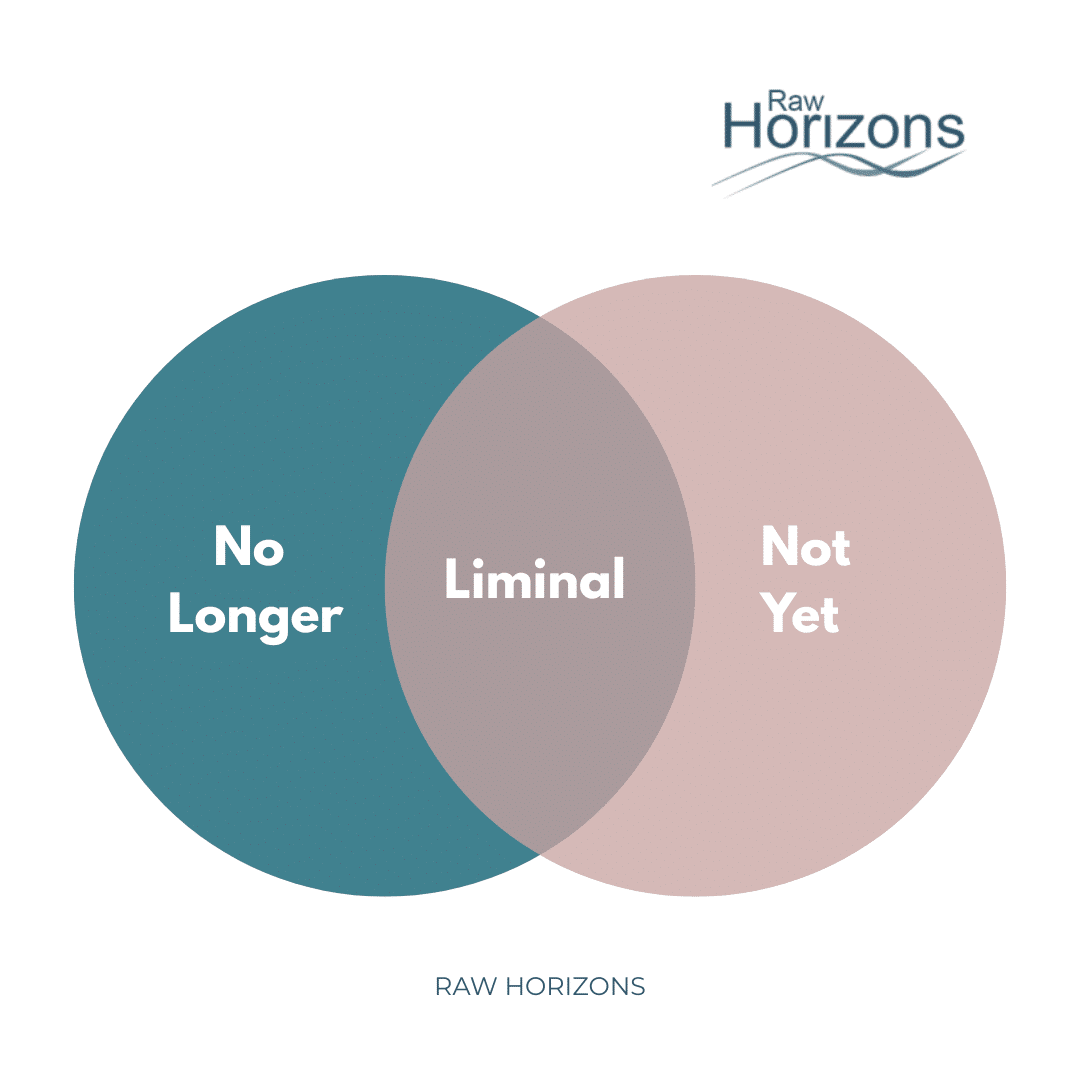
Instead, we find ourselves in what anthropologist Victor Turner called “liminality” – that in-between state where we’ve left the familiar shore but haven’t yet reached new land. We exist in a threshold space, neither here nor there.
This liminal phase isn’t just uncomfortable; it can be profoundly disorienting.
You’ve already released old patterns that once defined you. Perhaps you’ve stopped using food as comfort, left a secure but unsatisfying job, or moved away from relationships that no longer serve you. Yet the new reality you’re working toward – vibrant health, a thriving business, meaningful connections – hasn’t fully materialised.
When Emotions Rise
In this middle space, emotions we didn’t anticipate often surface:
Doubt whispers that perhaps you’ve made a mistake, that the change isn’t worth the discomfort.
Fear suggests you lack what it takes to reach the other side.
Impatience demands immediate results to validate your efforts.
Grief for the familiar, even if it wasn’t serving you, can unexpectedly wash over you.
This emotional landscape is natural, even necessary. Yet when these feelings arise, many of us instinctively retreat toward familiar territory – falling back into old habits that once provided comfort, even if they ultimately limited us.
Holding Space for Yourself
What if instead of seeing this discomfort as something to escape, we recognised it as a necessary part of genuine transformation?
In my years of coaching, I’ve observed that those who navigate change most successfully aren’t those who avoid discomfort, but those who learn to hold space for it while continuing to move forward.
Try asking yourself:
- Am I practicing self-compassion during this transition?
- Have I created supportive routines to ground me while other aspects of my life transform?
- Am I expecting perfection, or allowing myself the messiness of real change?
- What small evidence of progress might I be overlooking?
Finding Anchors in the Threshold
While liminality is by nature unstable, we can create anchors that provide stability without pulling us backward:
Gentle consistency in small, supportive habits can provide structure during times of change.
Community with others experiencing similar transitions reminds us we’re not alone in the messy middle.
Reflection practices help us recognise subtle shifts and growth that might otherwise go unnoticed.
Self-compassion allows us to acknowledge our struggles without judgment.
The Faith to Continue
Perhaps most importantly, navigating the liminal space requires faith – not necessarily in any spiritual sense, but in the process of change itself. It’s trusting that this uncomfortable middle ground, while challenging, is not permanent.
The discomfort you feel isn’t evidence you’ve gone astray. Rather, it’s confirmation you’re no longer settling for what was familiar but limiting. It’s the growing pains of becoming a fuller version of yourself.
And while the temptation to retreat to the known can be powerful, remember that the transformed life waiting on the other side cannot come into being if you abandon the journey.
So be gentle with yourself in this in-between space. Honour both how far you’ve come and the courage it takes to remain here, suspended between what was and what will be.
The discomfort won’t last forever. But the growth you gain by moving through it, rather than retreating from it, will reshape not just your circumstances, but who you understand yourself to be.
What liminal space are you navigating right now? How might you hold space for yourself in the messy middle?
Click here for more insights and reflections on navigating change.